2024. AR-project
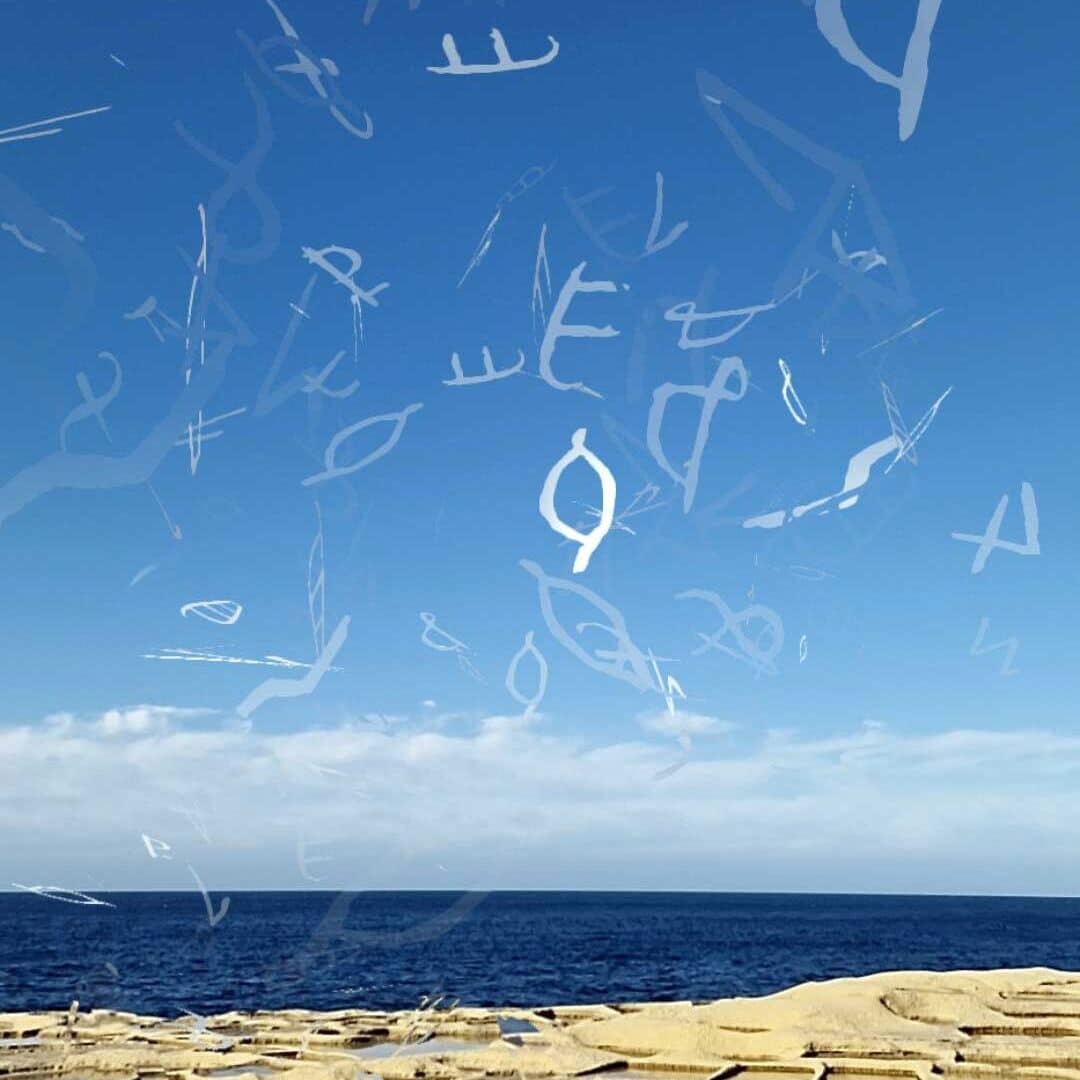
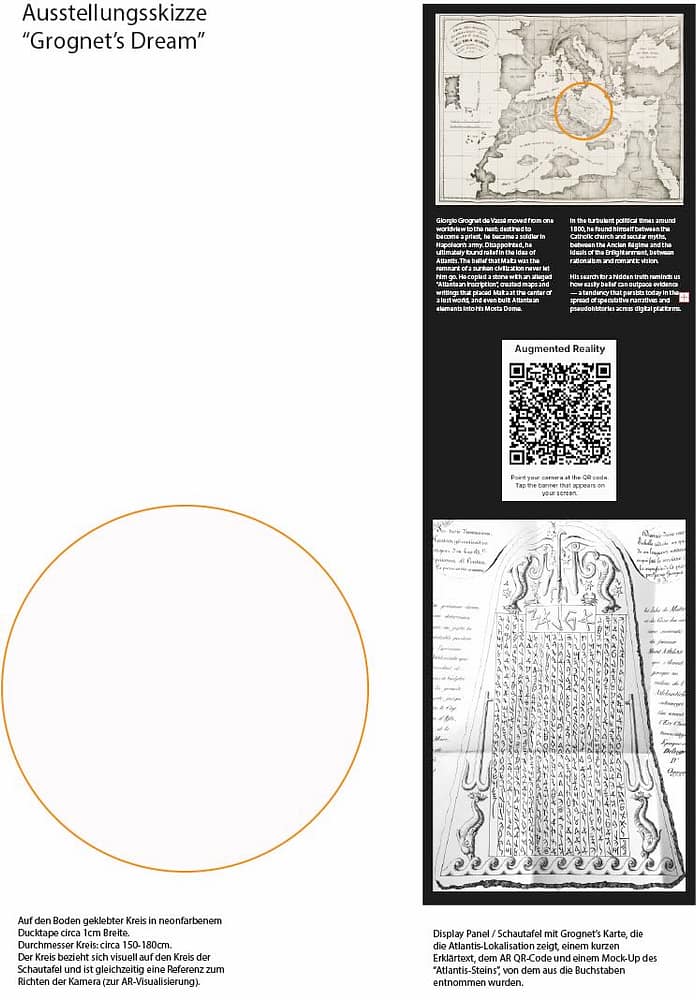
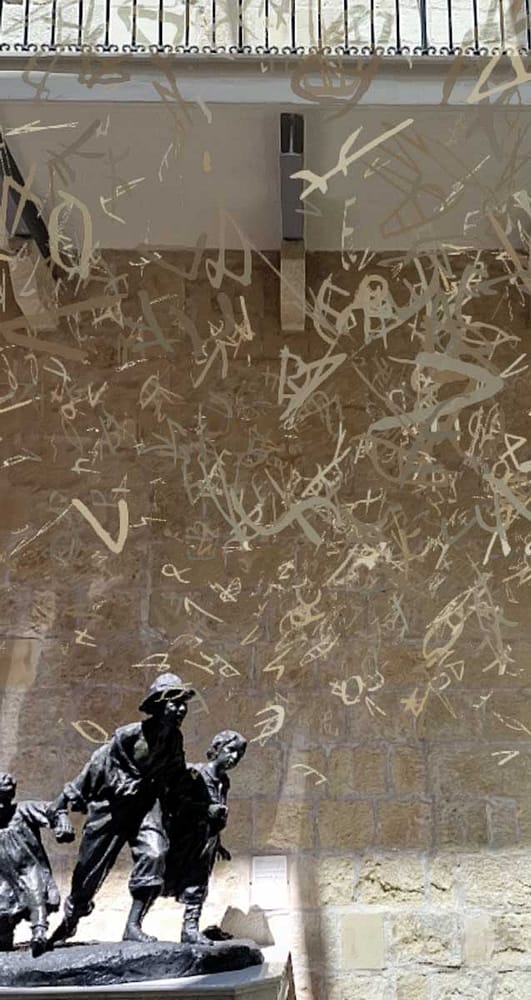
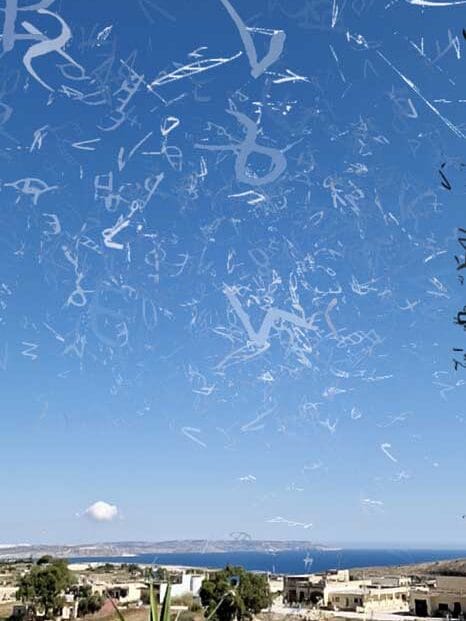
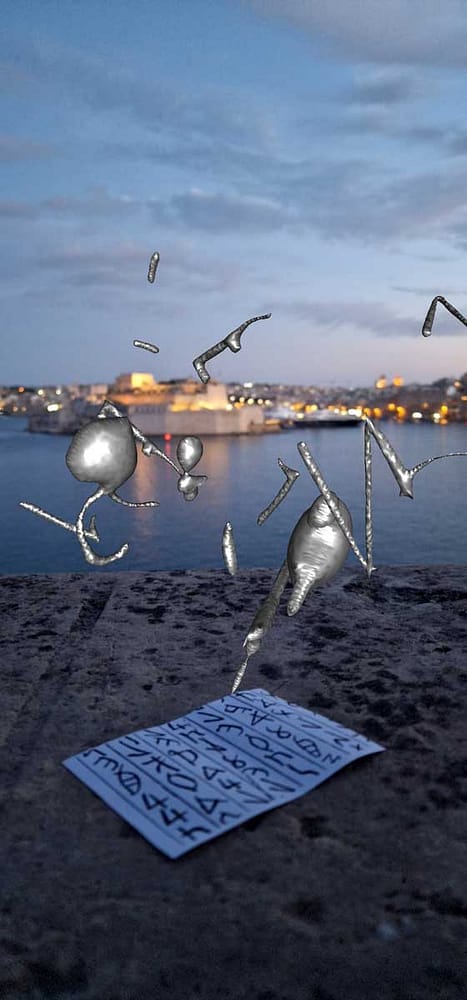
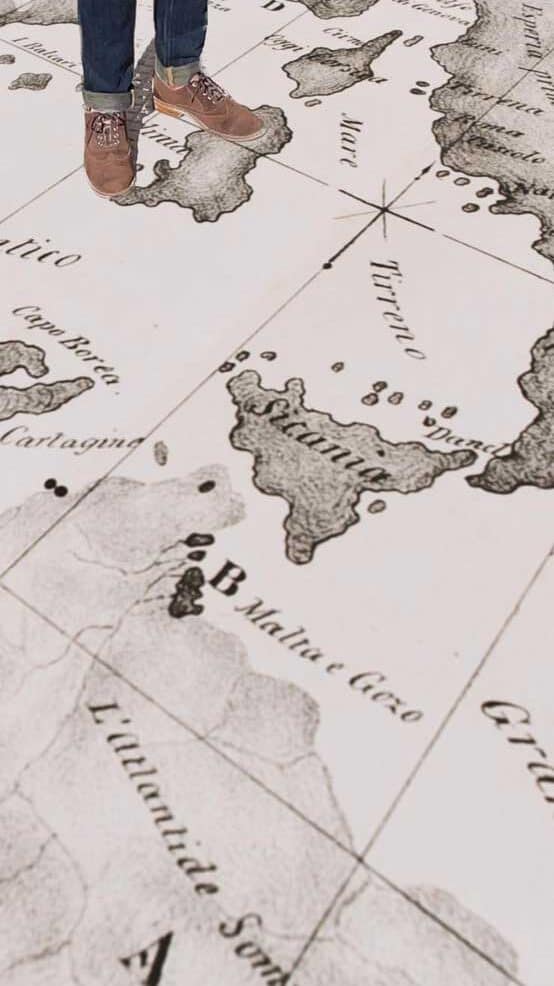
GROGNET’S DREAM is an Augmented Reality piece for mobile devices. It takes the Maltese architect Giorgio Grognet de Vassé (1774–1862) as its starting point and weaves together three strands: Grognet’s life, Plato’s myth of Atlantis, and the legacy of those two interconnected in Malta. As an independent AR work, it adds a layer of fiction over whatever real space the viewer happens to be standing in.
Grognet is best known as the architect of the Rotunda of Mosta (1833 – 1860), whose dome is among the largest unsupported domes in the world. In his spare time Grognet set out to prove that Malta was Atlantis, a belief he held with total conviction. He drew maps of the Atlantean landmass around Malta, included “Atlantean” decoration into the church, wrote a fake guidebook, and forged a stone inscribed with so-called “Atlantean” letters. In Paris, Grognet and his friend Fortia d’Urban presented the forged stone in two lectures at the Société Asiatique, founded by the linguist and orientalist Antoine-Isaac Silvestre de Sacy (1758–1838).
For a brief moment in the 1830s, several European scientists accepted Grognet’s stone as genuine proof of Atlantis, until the hoax was exposed. Grognet insisted he was only showing the “truth”, even if that meant he manufactured the evidence to prove it.
Grognet’s longing for a utopian society such as Atlantis and an idealized Egypt runs straight through 21st-century conspiracy thinking. Also in today’s society, we see people disappearing into fake-news rabbit holes, trying to build parallel realities. What role does myth play in how we tell our histories?
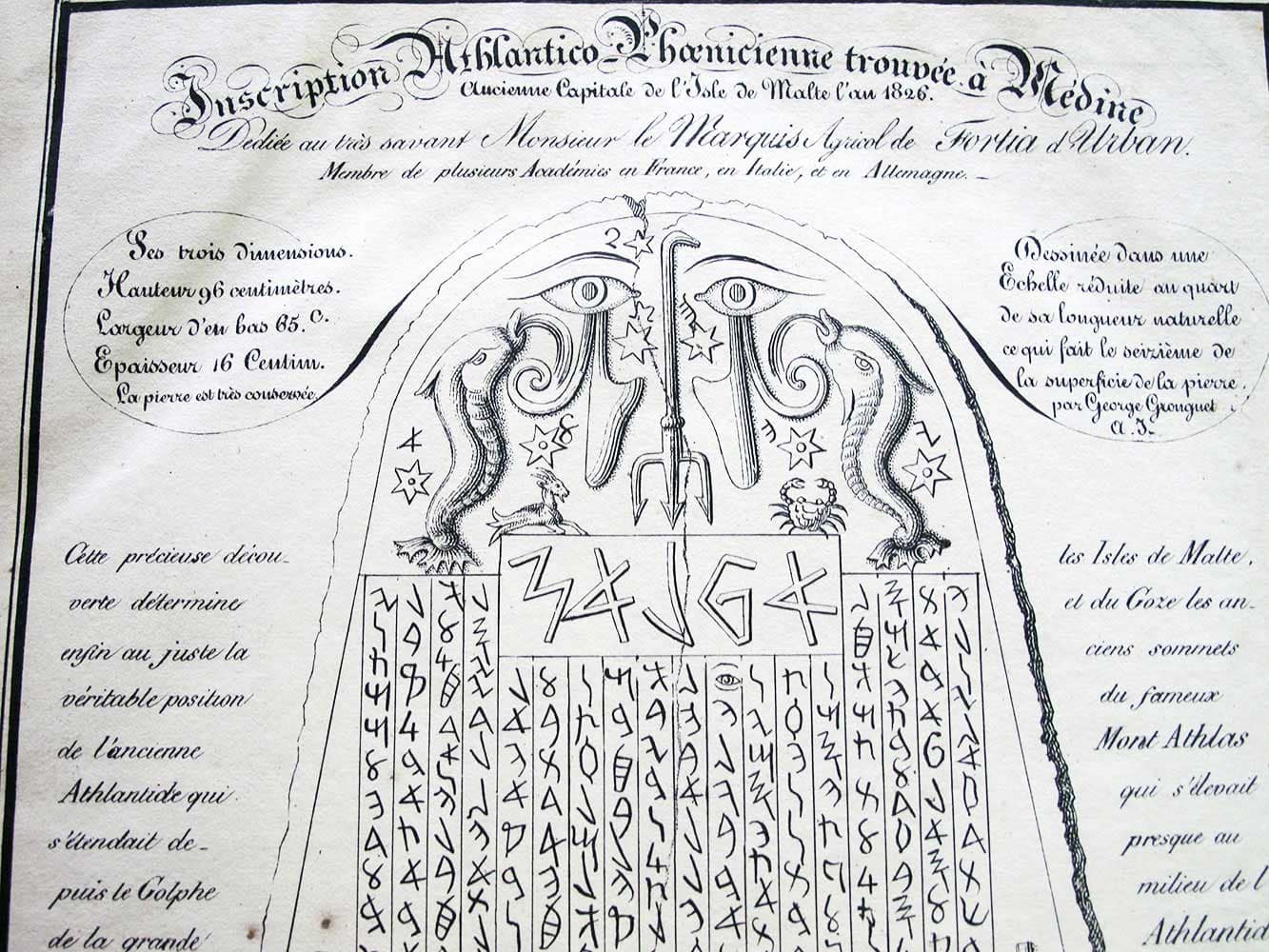
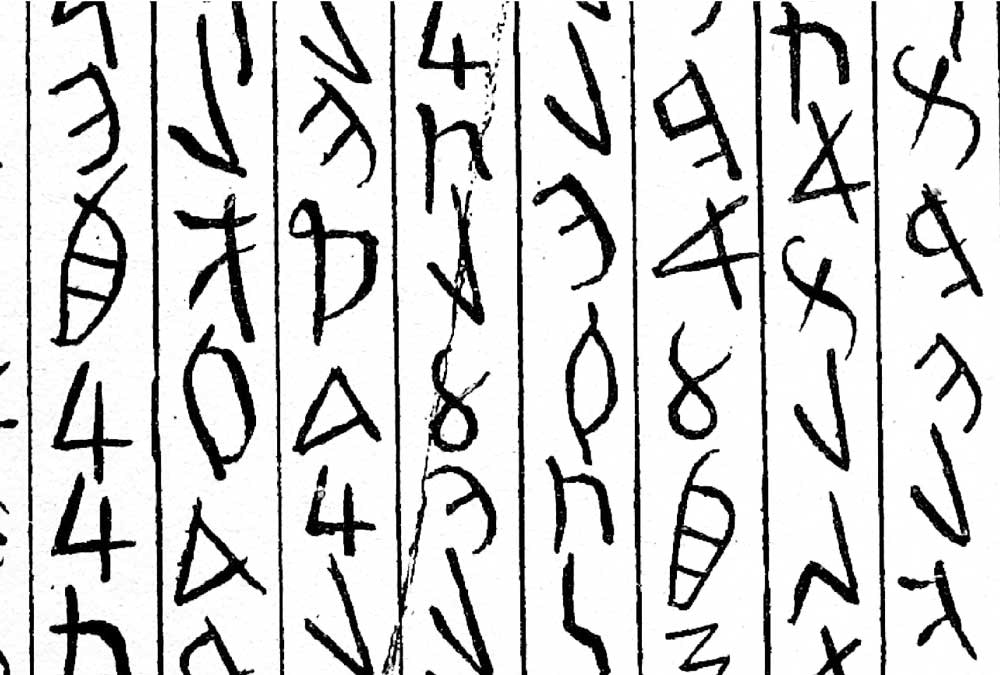

The AR work consists of letters taken from Grognet’s forged alphabet. His “Atlantean” characters twirl around us in a large cloud, turning bird swarm and dream all at once. GROGNET’S DREAM was first shown as a performative presentation at the Mosta Rotunda, the very same church Grognet designed and built, on invitation of Margarita Pulè and Unfinished Art Space. A final version was presented at the Malta Society of the Arts in 2024 in the exhibition Two Moons and Two Suns.